
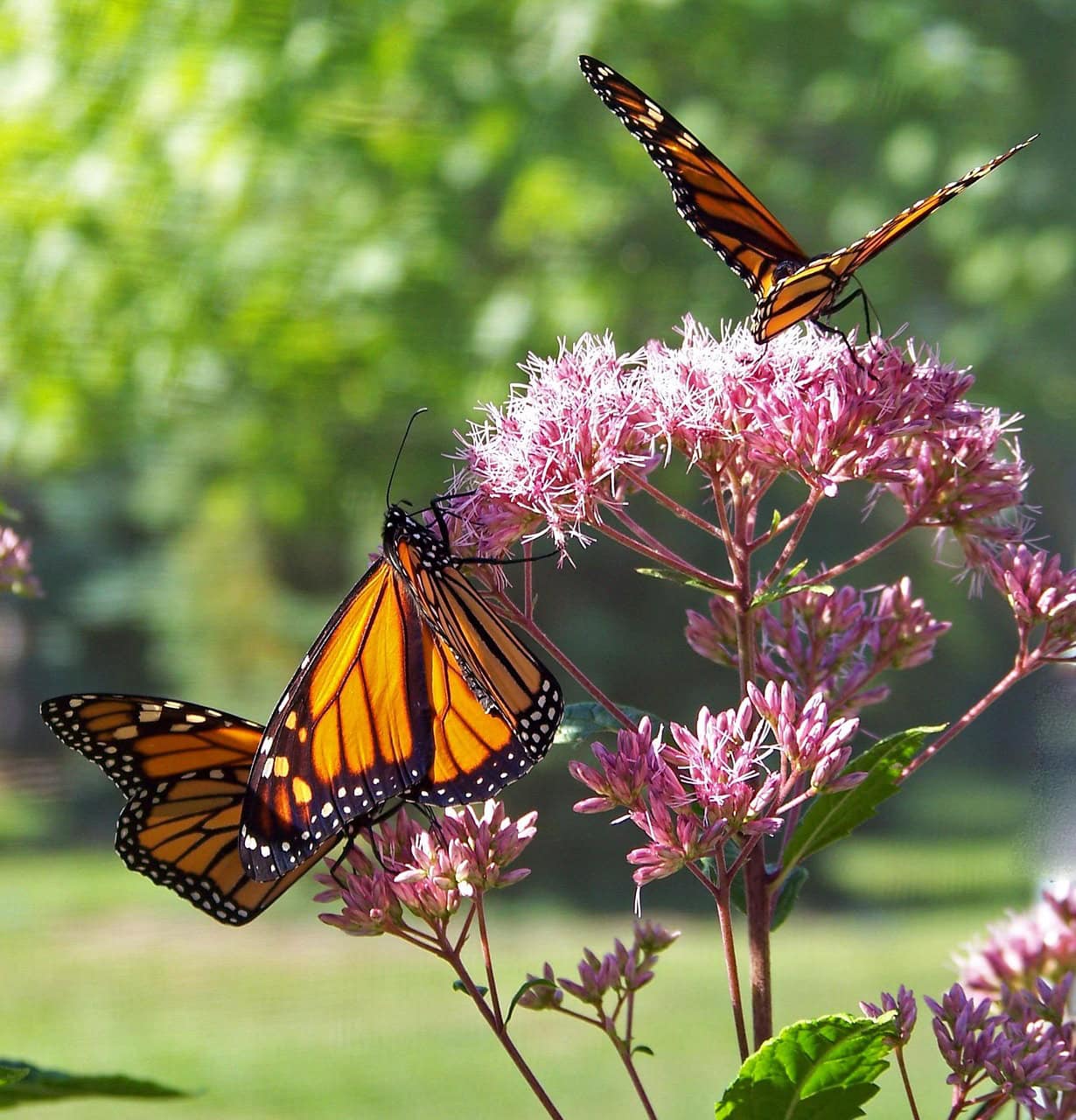
Creating a vibrant, sustainable garden in our Pennsylvania gardens starts with choosing plants that naturally thrive in our region. Native perennials are a smart investment for homeowners, offering beauty, resilience, and ecological benefits. Adapted to local soil and climate conditions, they require less water, fertilizer, and maintenance than non-native species. Even better, they provide essential food and habitat for pollinators like bees, butterflies, and hummingbirds. By incorporating native plants into your landscape, you create a healthier environment while enhancing your outdoor space—a true win-win for both your garden and nature.
Here are nine exceptional native perennials that bring color, character, and ecological value to Pennsylvania gardens:
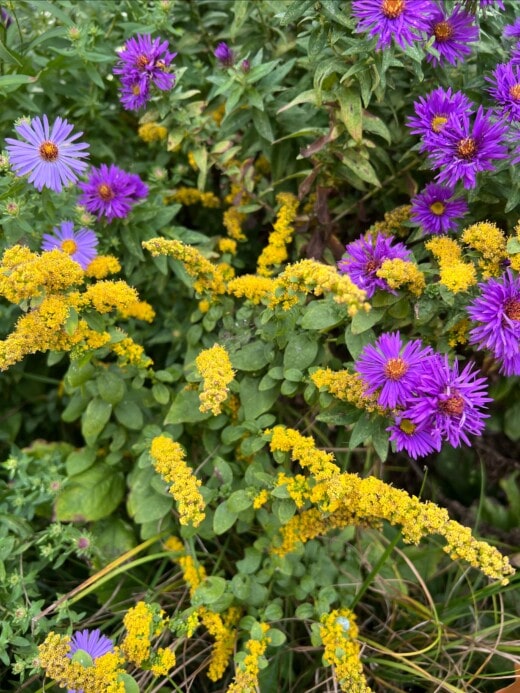
Goldenrod (Solidago)
Often misunderstood as a cause of seasonal allergies, goldenrod is actually pollinated by insects, not wind. This late-season bloomer produces graceful plumes of golden-yellow flowers that brighten the autumn landscape. It serves as a vital nectar source for bees and butterflies, making it an essential addition to pollinator-friendly gardens. For extensive research on Solidago, read Mt. Cuba’s Research Trial Gardens.
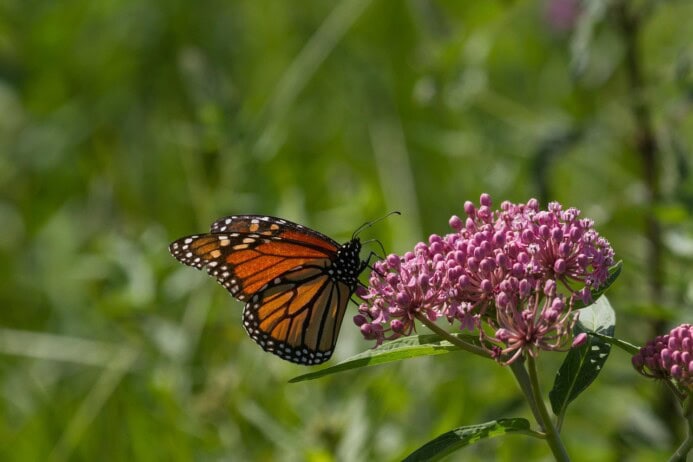
Milkweed (Asclepias spp.)
Milkweed is best known as the host plant for monarch butterflies, providing a place for them to lay their eggs and nourishment for their caterpillars. Varieties such as Butterfly Weed (Asclepias tuberosa) and Swamp Milkweed (Asclepias incarnata) add vibrant orange and soft pink hues while supporting critical pollinator populations.
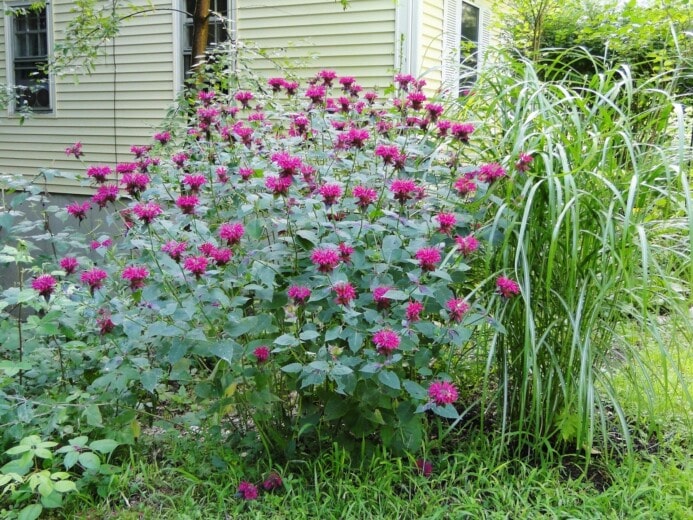
Monarda (Monarda didyma) – Bee Balm
Commonly known as Bee Balm, Monarda features showy, fragrant blooms in shades of red, pink, and purple. This eye-catching perennial attracts hummingbirds, bees, and butterflies while adding bold color and a pleasant herbal fragrance to the summer garden.
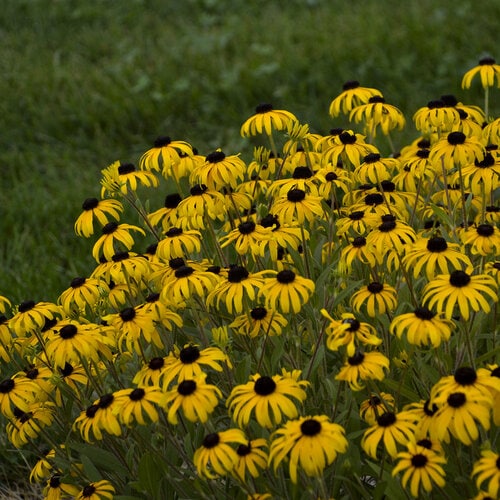
Black-eyed Susan (Rubeckia hirta)
Black-eyed Susan is a classic native species found in many gardens. They thrive in full sun and tolerate dry to medium soil, clay soil, and even roadside areas. It blooms June through September, providing long-season color and wildlife value. It often self-seeds, helping naturalized plantings fill in over time. Read our blog about the 2023 Perennial Plant of the Year – Rudbeckia ‘American Gold Rush’
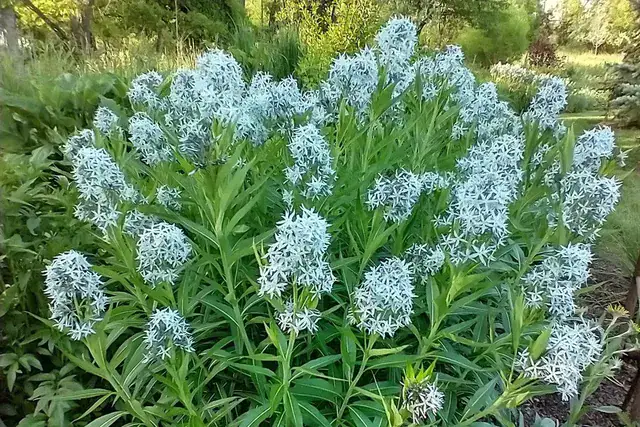
Bluestars (Amsonia)
Amsonias provide reliable ornamental interests for months. Bluestar flowers are small but abundant and blooms from mid-April to early June, with flowers lasting about 2 – 4 weeks. Their foliage is attractive and matures to a late-season color change. For more detailed information, read Native Amsonia for the Home Garden published by Penn State.
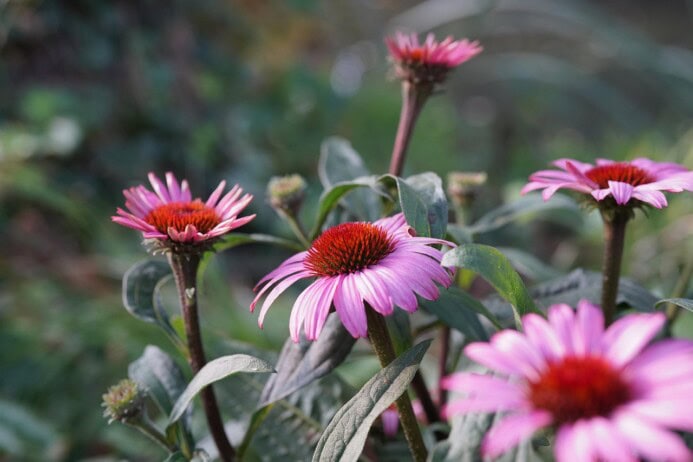
Purple Coneflower (Echinacea purpurea)
A staple of native landscapes, the Purple Coneflower offers rosy-purple petals surrounding a distinctive coppery-orange cone. Blooming from early summer through fall, it attracts pollinators and provides seed heads that nourish birds—especially goldfinches—during the colder months.
Cardinal Flower (Lobelia cardinalis)
With its brilliant spikes of scarlet-red blooms, the Cardinal Flower is a showstopper in any garden. Thriving in moist soils and partial sun, it is a favorite of hummingbirds and makes a striking addition to rain gardens and naturalized plantings.

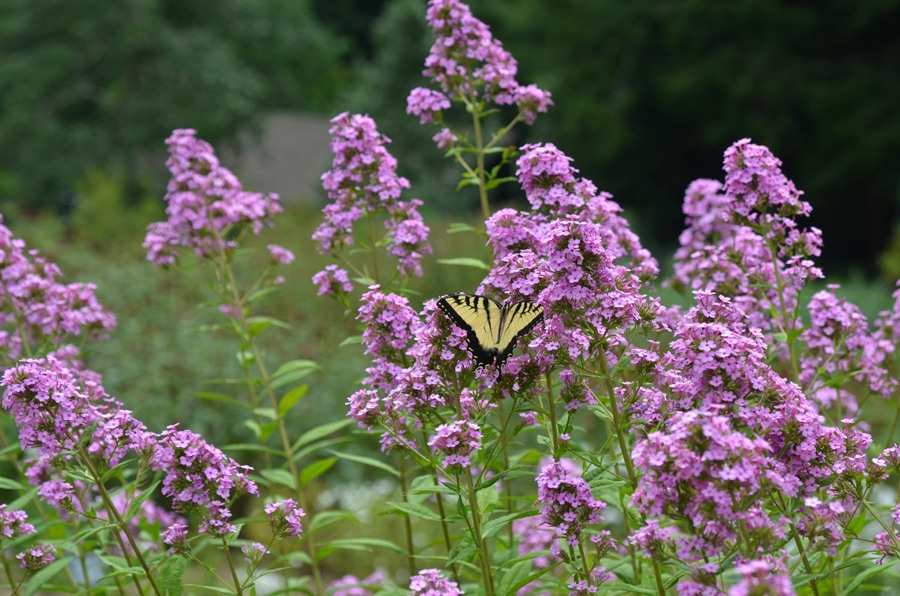
Phlox paniculata Jenna
This is the highest-rated garden Phlox in Mt. Cuba’s trial. It attracts more butterflies than any other Phlox entry, plus its foliage was mildew free. Each year the Perennial Plant Assoc. designates one perennial as the “Perennial Plant of the Year”. The 2024 pick is Phlox paniculata ‘Jeana’. The selection is based on multiple seasons of interest, low maintenance, adaptability to a wide range of climates, pest & disease resistance and ease of propagation. Read a summary from Mt. Cuba Center.
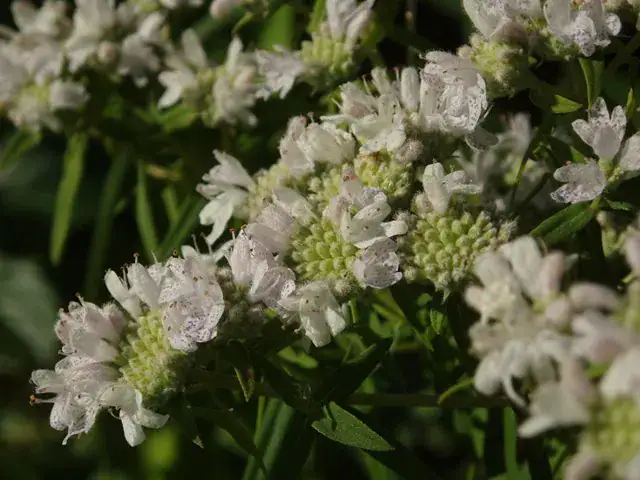
Mountain Mint (Pycnanthemum spp.)
Mountain Mint is prized for its silvery-green foliage, refreshing fragrance, and clusters of delicate white flowers. Exceptionally attractive to pollinators, it supports a wide variety of beneficial insects while naturally deterring deer. Its tidy appearance and long bloom period make it a versatile and valuable garden addition. Read Mountain Mint: A Pollinator Powerhouse published by Penn State.
By incorporating these native perennials into your Pennsylvania landscape, you’ll enjoy a garden that is not only beautiful but also environmentally responsible. Thoughtfully selected native plants create a thriving ecosystem—enhancing curb appeal while supporting the natural world right outside your door.
Contact Us for help with any landscaping issues you might have. We’re a full-service company and can assist you with design, build or maintenance services.